
Ghazi Bets Big on the SF Building Trades
Empire Distro commits to all-union labor for $40M HQ rehab
Sometimes it comes down to who you sit next to at a community event.
For Rudy Gonzalez and the SF Building and Construction Trades Council, a simple seating arrangement led to a guaranteed all-union project championed by one of San Francisco’s most influential figures in music.
That figure is Ghazi Shami, founder of Empire Distribution, Records, and Publishing — a heavy hitter in the music industry.
Empire recently received SF Planning Department approval for a $40 million rehab of 1 Montgomery Street. The company purchased the 1908-era Willis Polk-designed banking hall for $24.5 million, with plans to make it Empire’s home for its 150 local employees.
The best part? Ghazi has committed from the outset to having the entire rehabilitation done with union labor.
“If you want to be a representation of what the City is, then it’s important to begin with what built the City — and the unions built the City.”
“I just felt like, if you want to be a representation of what the City is, then it’s important to begin with what built the City — and the unions built the City,” Ghazi said. “It just felt like a natural extension of my ethos as a human.”
So how did one of the most influential players in San Francisco’s entertainment scene end up calling one of the most influential leaders in organized labor to talk shop?
It started with a chance encounter last March.
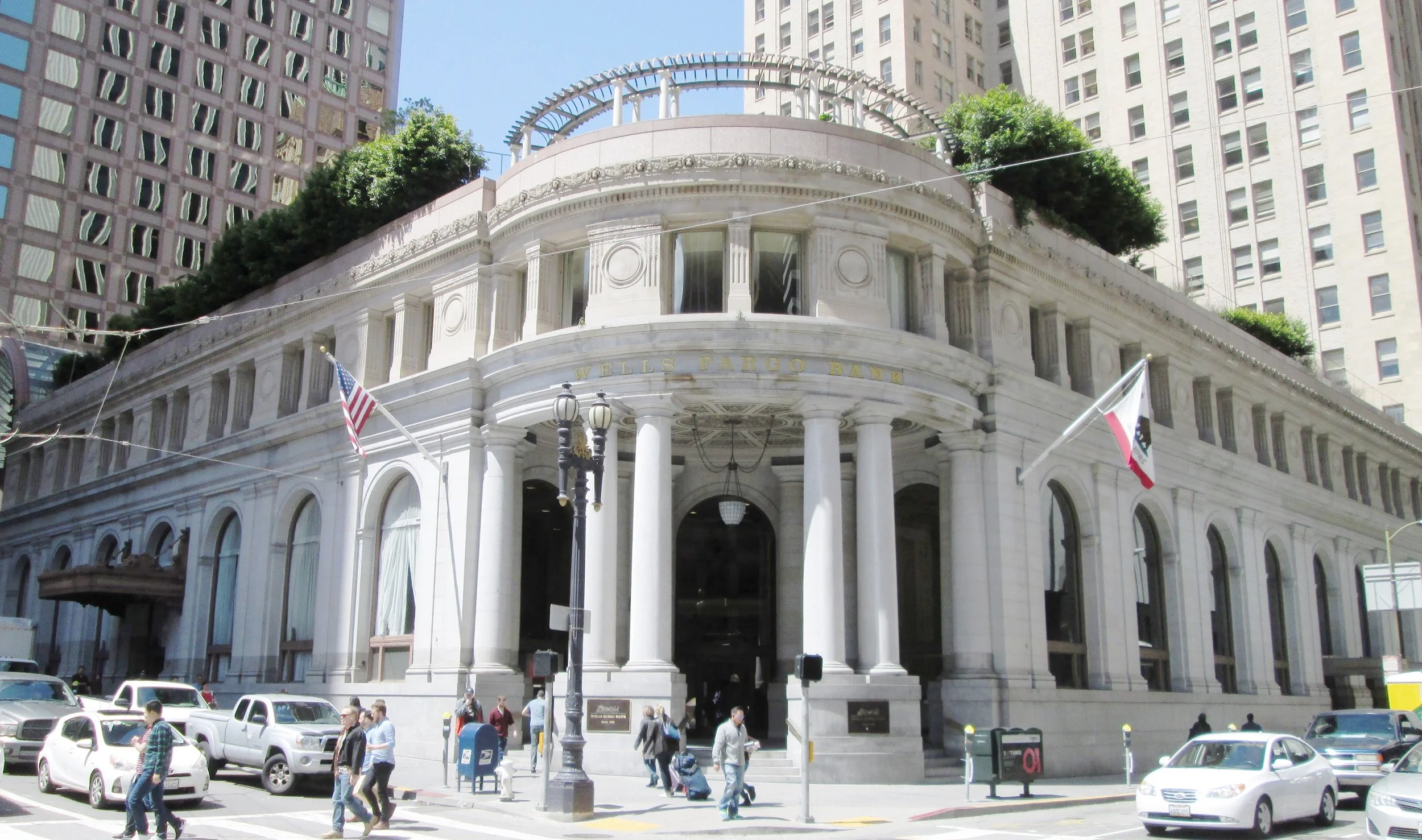
Photo: Beyond My Ken via WikiCommons
Early last year, the SF Building Trades Council helped sponsor a community event celebrating a city iftar — the breaking of the Ramadan fast. A mutual friend seated Gonzalez and Ghazi together, and the two quickly connected.
Ghazi addressed the attendees that evening. That speech left a strong impression on Gonzalez.
“He’s an incredible and legitimate leader in his own right,” Gonzalez said.
A few months later, Ghazi’s team reached out to Gonzalez about Empire’s plans for a new headquarters. It was made clear from the start that it would be an all-union job.
“It wasn’t even a negotiation,” Gonzalez said. “By the time we heard from [Ghazi’s team], he had already decided he was going to build union. There was no question that they were going to honor local workers and apprentices. That was a breath of fresh air.”
The relationship proved to be symbiotic. The building trades secured guaranteed work, while Empire gained a trusted ally to help navigate San Francisco’s infamously byzantine planning process.
Empire faced headwinds from the SF Planning Commission over the company's plan to close off the bank building’s privately owned public rooftop space due to security concerns. In exchange, Empire agreed to host four annual free public concerts.
Gonzalez said that Empire’s plans are a big deal for two reasons, the first being that Ghazi’s bid proves signs of life are indeed blowing back into in the Financial District.
“We’re always focused on new construction, but we also look at tenant improvements in these spaces as work opportunities for our members, and we haven’t seen a lot of that activity since the pandemic started,” Gonzalez said. “It’s sending a message to that part of town that we’re coming back.”
Second, Gonzalez said, it’s a big deal that an SF native son is planting his flag in the City. Ghazi understands how important that aspect is, too.
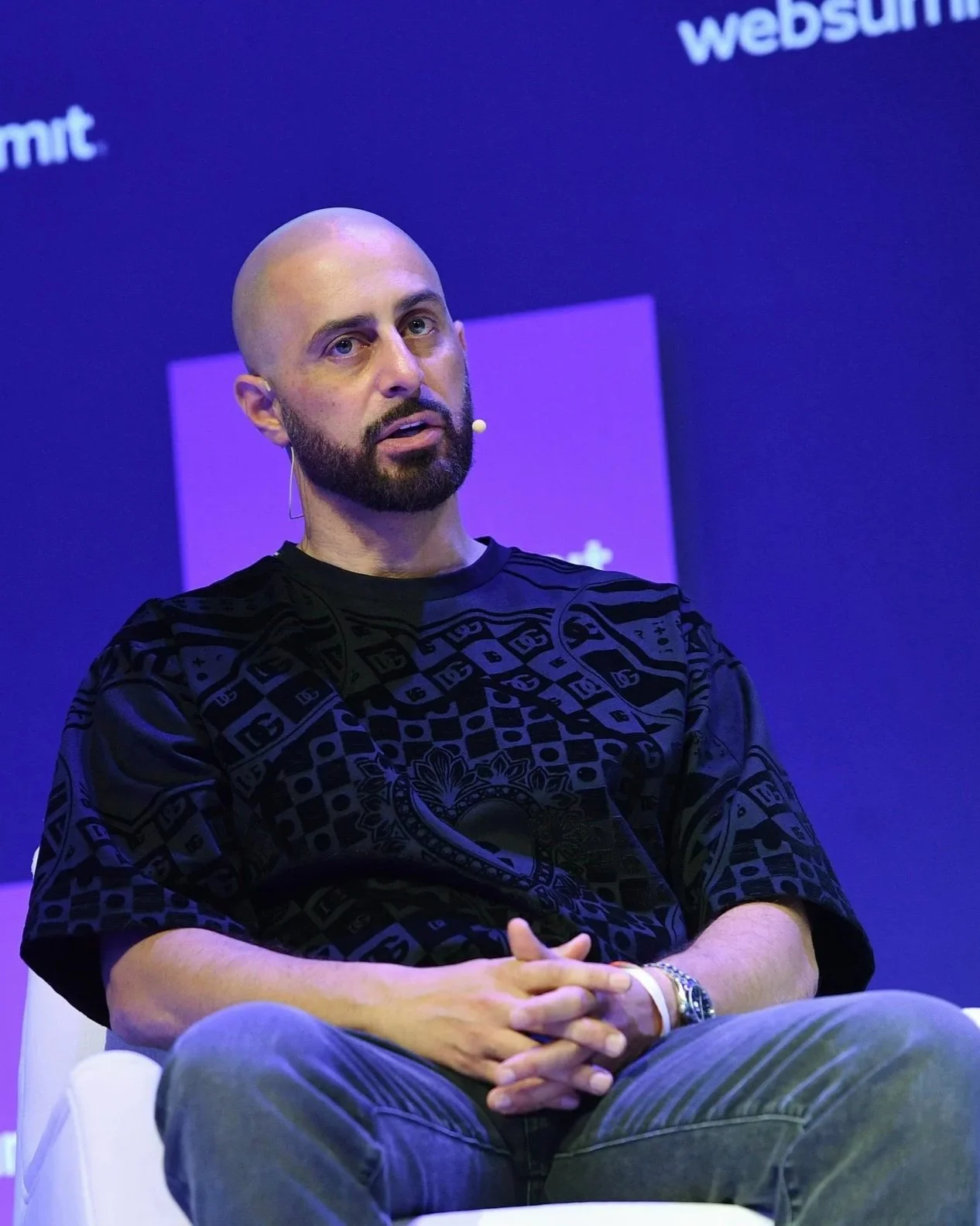
GHAZI SHAMI is founder and CEO of SF-based Empire Distribution. | Photo: Web Summit via WikiCommons
“I’ve always felt like, as a city, we’ve exported our best talent,” Ghazi said. “I’ve seen a lot of people here in entertainment grow up, make it, and then go somewhere else to go to the next level — and I said to myself a long time ago, ‘The next level can happen here.’”
Ghazi, a Palestinian-American who was born and raised in San Francisco and graduated from SF State University, founded Empire in 2010. The company has since become the largest independent record label in the country, working with such musical luminaries as Kendrick Lamar, Fat Joe, and Shaboozey.
For Ghazi, keeping it local has clearly always been the point.
“I always promised myself that if I got to where I envisioned myself getting to that I wouldn’t uproot myself and go somewhere else — that I would make sure that I do the same thing for the community that I had hoped would have happened for me [but never did],” he said.
“Our generation didn’t have a guiding light,” Ghazi said, “and I hope that Empire serves as a guiding light to the next generation of people who want to work in the music business, and maybe serves as an example to other industries.”